 Which Industries Benefit The Most From A Manpower Recruiting Agency?
  What To Eat And Avoid When Wearing Lingual Braces
  Preparing For Audit Success With An Approved API Trainer
  6 Ways Industrial Lubricant Distributors Support Industrial Growth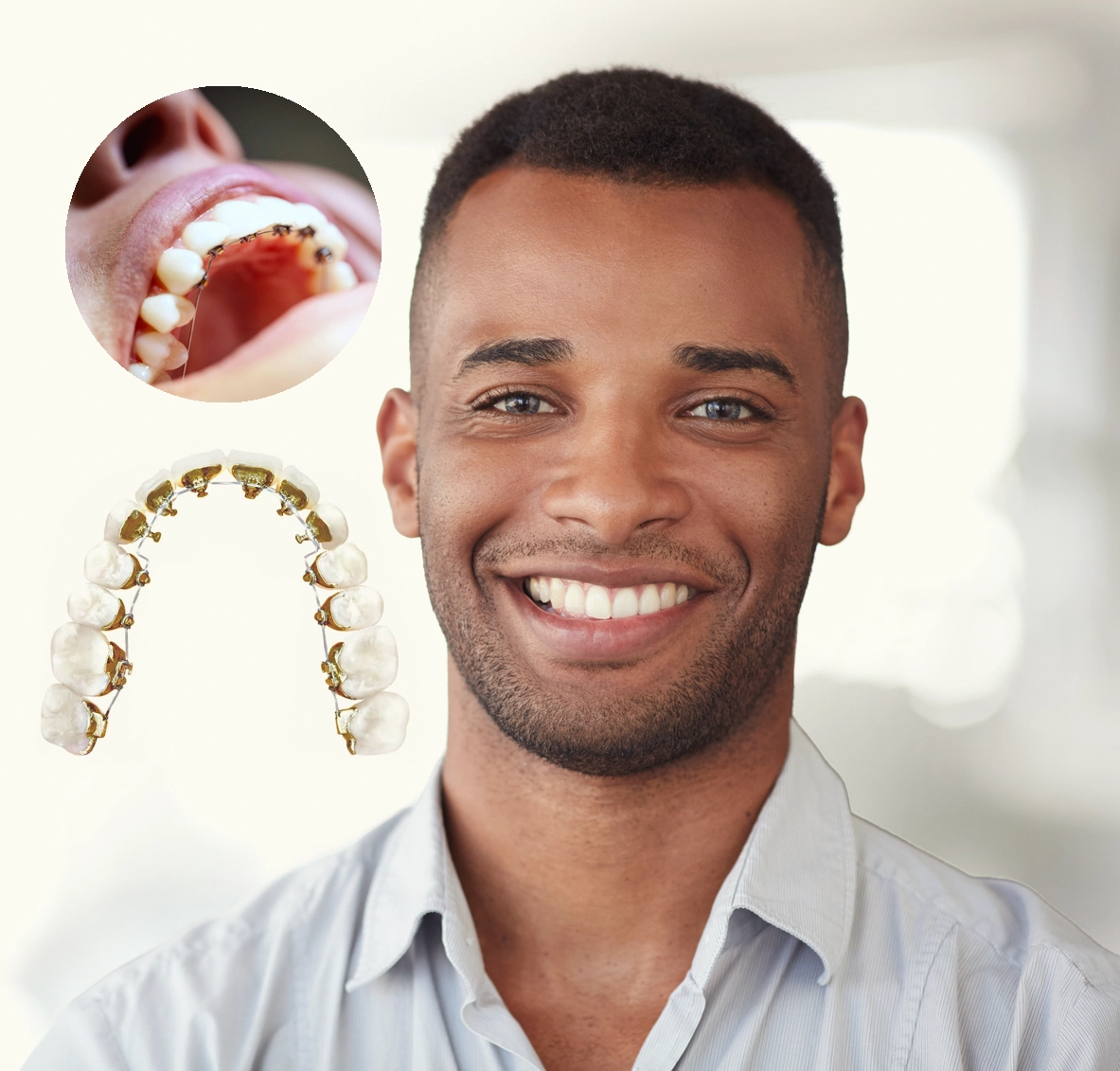
Lingual braces work quietly behind your teeth, doing their job without the world ever noticing. But what you eat plays a huge role in how well they perform and how comfortable your experience stays from start to finish.
The wrong foods can snap wires, dislodge brackets, and set your treatment back by weeks. Eating right keeps everything on track, and regular checkups at a reliable dental clinic ensure your progress stays steady and your braces stay intact.
Soft foods that are safe and easy to eat:
Soft foods are your best companions during lingual braces Abu Dhabi treatment. Mashed potatoes, scrambled eggs, yogurt, soup, cooked pasta, and soft rice are all excellent choices that put zero pressure on your brackets and wires. These foods break down easily without requiring heavy biting or chewing force. Building your meals around soft, gentle options keeps discomfort low, especially in the first few days after a new adjustment when teeth tend to feel the most sensitive.
Hard foods to stay away from completely:
Hard foods are one of the biggest threats to lingual braces. Biting into a raw carrot, munching on hard crackers, chewing on ice, or snacking on nuts can snap a wire or pop a bracket off entirely. Even hard bread crusts and hard boiled sweets cause damage that leads to unplanned dental visits and treatment delays. Cutting hard foods out of your diet entirely for the duration of your treatment is the safest and most practical approach.
Sticky and chewy foods that cause real trouble:
Sticky foods cling to lingual brackets and are extremely difficult to clean off properly. Chewing gum, toffee, caramel, gummy sweets, and sticky dried fruits all wrap around wires and pull at brackets with every chew. This creates both a hygiene problem and a mechanical one. Residue left behind after eating sticky foods feeds bacteria and invites decay, while the pulling force risks displacing the brackets that are carefully bonded to the back of your teeth.
Vegetables and fruits prepared the right way:
Fresh fruits and vegetables are important for overall health, but their raw, crunchy forms can be tough on lingual braces. The simple solution is to steam, roast, or boil them until they are soft enough to eat without effort. Apples and pears can be sliced thinly or cooked down instead of bitten into whole. This way, you keep all the nutritional value of fresh produce without putting your brackets and wires at any unnecessary risk.